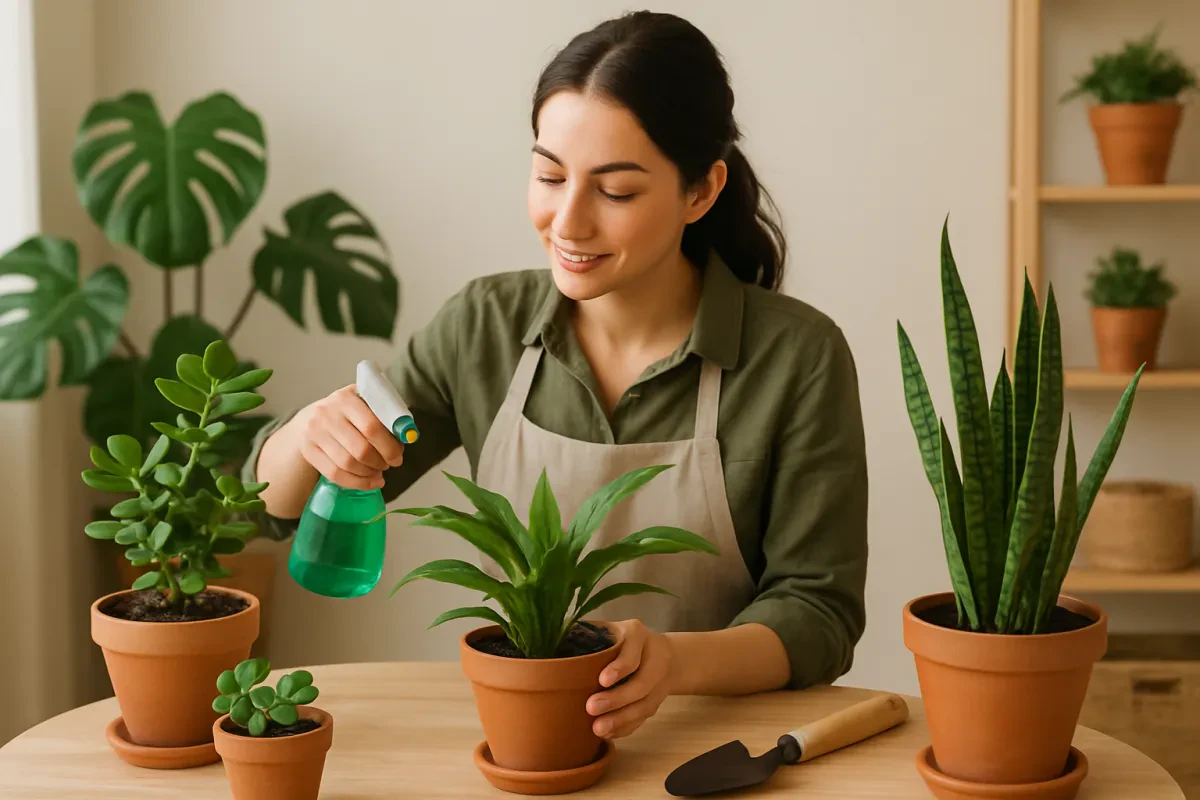
Watering your plants doesn’t have to be a chore. With a few simple tips, you can keep your green friends happy and thriving. Start by checking the soil moisture. Stick your finger about an inch deep into the soil. If it feels dry, it’s time to water. If it’s still damp, hold off for a bit.
Consistency is key. Instead of watering on a set schedule, observe your plants. Different types of plants have unique watering needs. For example, succulents prefer drier soil, while ferns love moisture. Pay attention to how your plants respond, and adjust your routine accordingly.
When you do water, give them a good soak. Pour water until you see it coming out of the drainage holes. This ensures the roots get enough moisture, promoting healthy growth. Just be careful not to overwater, as soggy roots can lead to rot. Always use pots that have drainage holes to help with this.
Lastly, consider the season. Your plants might need more water in the summer when they are actively growing. In the winter, when they slow down, their needs decrease. Keeping an eye on how your plants behave seasonally will help you water them just right.
Light Needs for Healthy Growth
Getting the right light for your plants can make all the difference in keeping them happy and healthy. Each plant has its own light preferences, and understanding these can help you avoid some common pitfalls.
For beginners, it’s usually best to start with plants that thrive in low to medium light. Consider pothos or snake plants; they’re super forgiving and can adapt well to various light conditions. If your home has bright, indirect light, that’s even better! You could try a peace lily or a spider plant, both of which flourish in such an environment.
If you’re really into the idea of growing some sun-loving plants like succulents or cacti, find a south-facing window. Just be careful not to put them in direct sunlight for too long, especially during summer. Too much sun can scorch those delicate leaves!
Keep an eye on your plants for signs they need a lighting adjustment. Yellowing leaves might mean they’re getting too much sun, while leggy growth can indicate they’re stretching toward the light. A little tweaking can go a long way in making your plants thrive!
Humidity Tips for Happy Plants
Keeping humidity at the right level is a game-changer for happy, thriving plants. A lot of houseplants love humidity, especially tropical ones. If the air in your home is dry, your plants might start looking sad. Here are some tips to help boost the humidity levels around your green buddies.
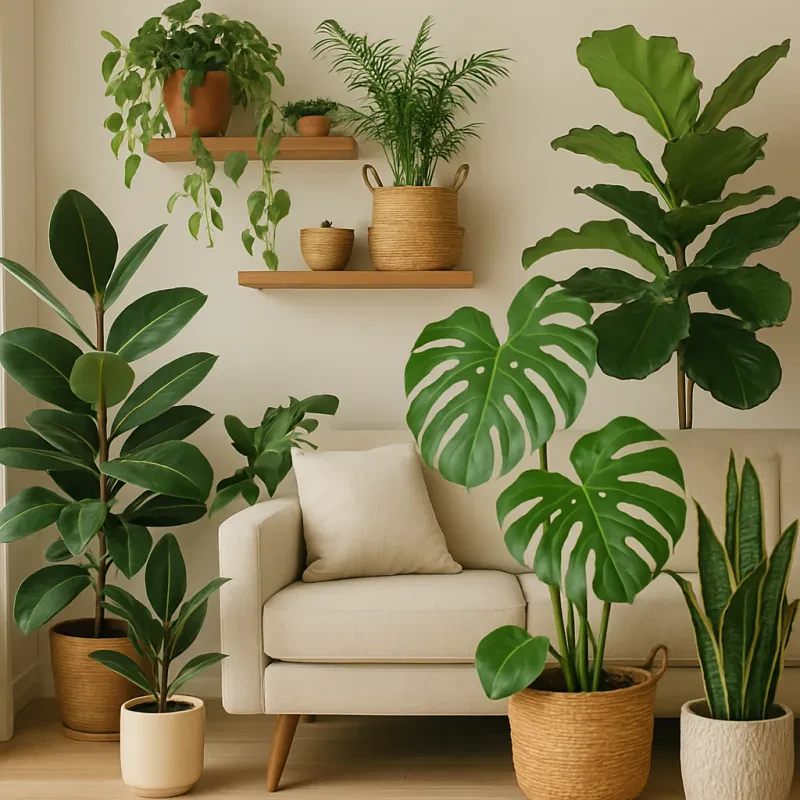
One simple trick is to group your plants together. This creates a mini microclimate. When plants are close to each other, they release moisture into the air, helping each other out. Plus, it looks great! Choose a sunny spot where they can share the love.
Another easy way to increase humidity is by using a pebble tray. Just fill a shallow tray with pebbles and water, then place your pot on top. As the water evaporates, it adds moisture to the air around your plant. It's a low-maintenance solution that works wonders.
If you really want to step things up, consider a humidifier. These machines can make a big difference, especially during dry winter months. Set it up near your plants, and you'll notice a happier, healthier vibe in no time.
Don’t forget to mist your plants occasionally! A light spray of water can boost humidity instantly. Just be cautious not to overdo it, as some plants don’t like getting their leaves wet too often. Your plants will thank you for keeping their moisture needs in check!
Common Pest Solutions You Can Try
Dealing with pests can feel overwhelming, but you’ve got this! Here are some simple solutions you can try to keep your plants healthy and happy.
1. Neem Oil: This natural solution works wonders. Just mix a few drops with water in a spray bottle and give your plants a good misting. It helps tackle many pests like aphids and spider mites while being safe for your plants.
2. Dish Soap Solution: A mix of water and a few drops of dish soap can be very effective. Spray it on affected areas to kill soft-bodied pests. Be sure to rinse off after a day to prevent any leaves from getting damaged.
3. Sticky Traps: You can set these up around your plants to catch flying pests like gnats. They’re super easy to use and can help you monitor any pest problems before they get out of hand.
4. Handpicking: If you spot larger pests like caterpillars or slugs, don’t hesitate to remove them by hand. Just put on some gloves and pluck those little troublemakers right off your plants.